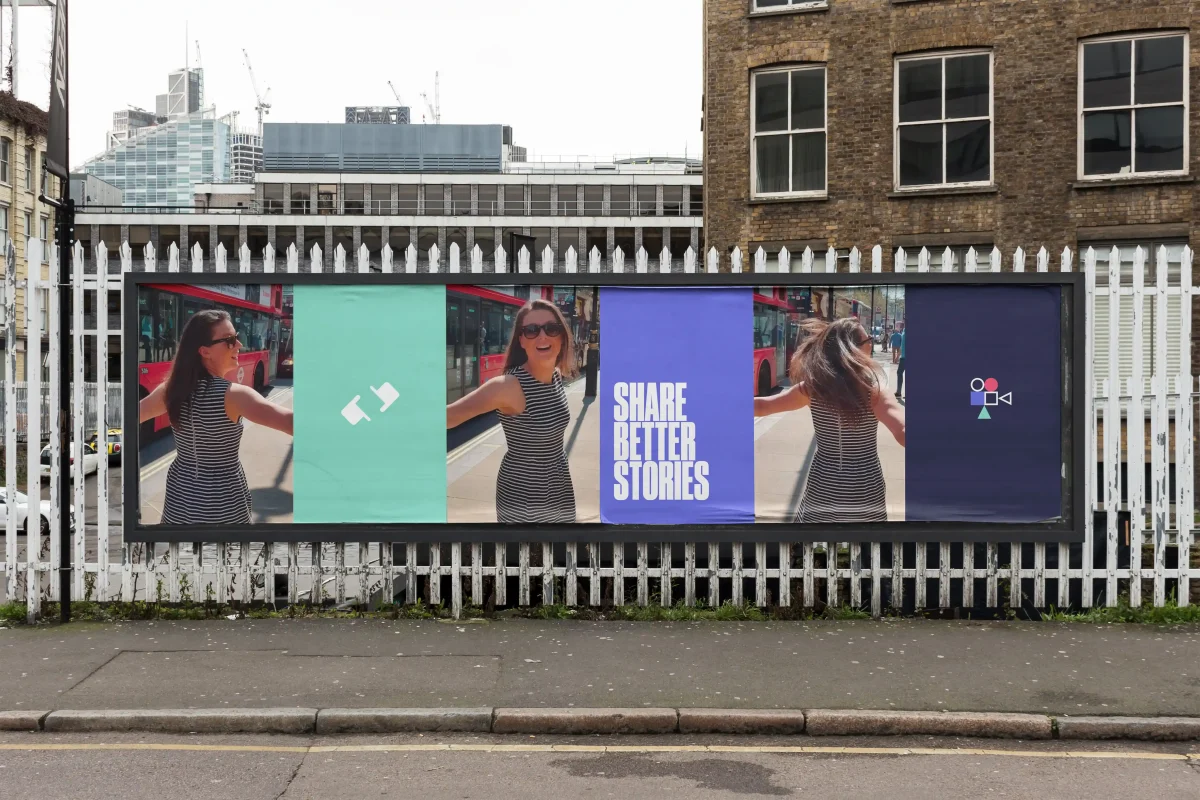
GoFilm empowers creators to share compelling stories in the dynamic world of user-generated content. The platform streamlines the editing process, enabling users to create professional-quality videos without prior production expertise.
As the Design Lead, I was tasked with analysing the MVP results and developing a strategic roadmap to transform GoFilm from a promising prototype into a market-ready application within an aggressive timeline.
My responsibilities included identifying key user experience challenges, uncovering new feature opportunities, and creating a data-driven go-to-market strategy that would accelerate user acquisition while preserving the platform’s core mission of helping creators share better stories.
Design Lead
Tech Lead
iOS Engineer
Android Engineer
Following a successful MVP phase that validated the core concept, GoFilm needed to quickly evolve into a polished product that would resonate with target audiences. My analysis of initial user feedback revealed several critical experience gaps that threatened to limit adoption, alongside untapped opportunities for differentiation in the competitive content creation market.
Working closely with the team, I spearheaded the research initiative that would inform our rapid iteration process and ensure our limited resources were focused on the highest-impact improvements.
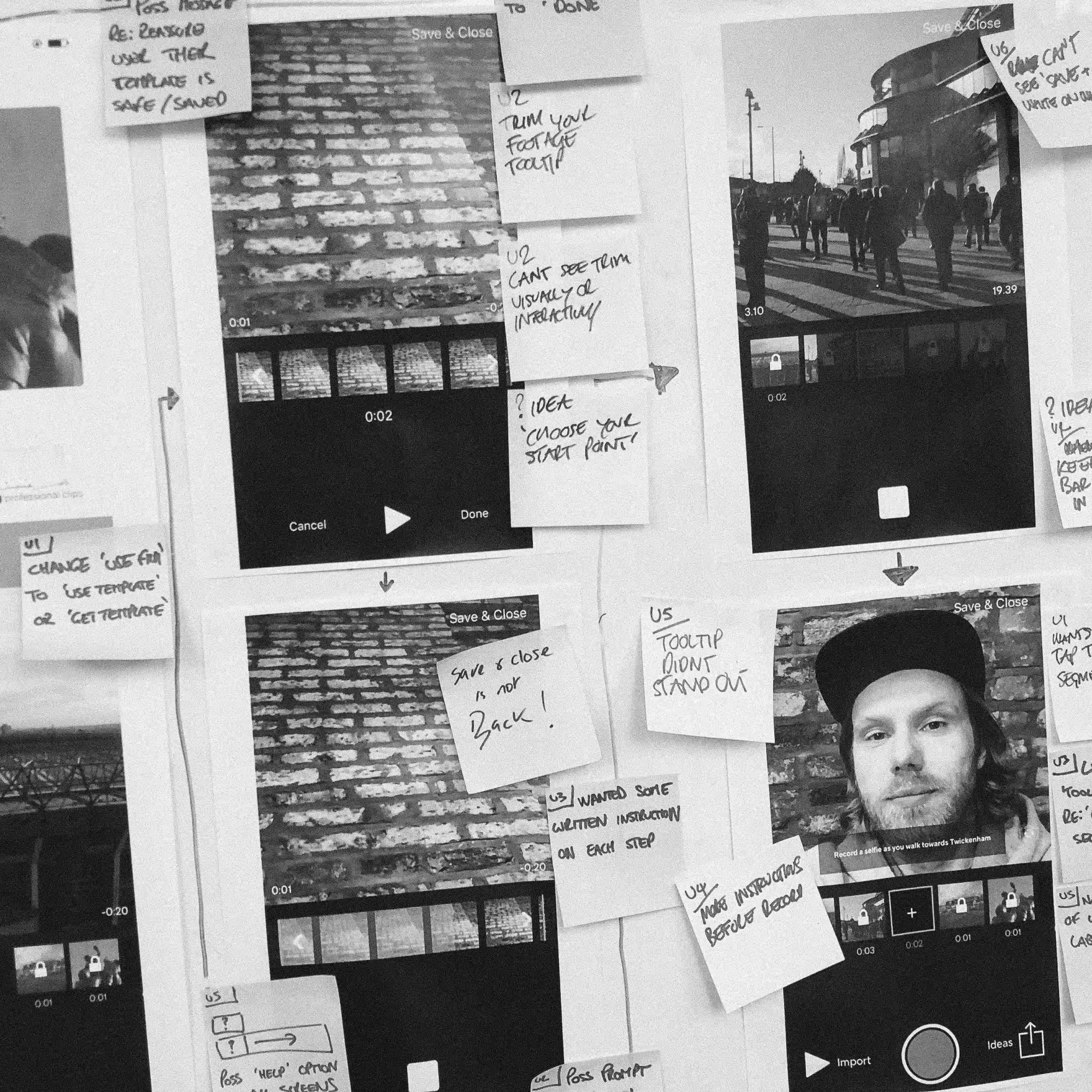
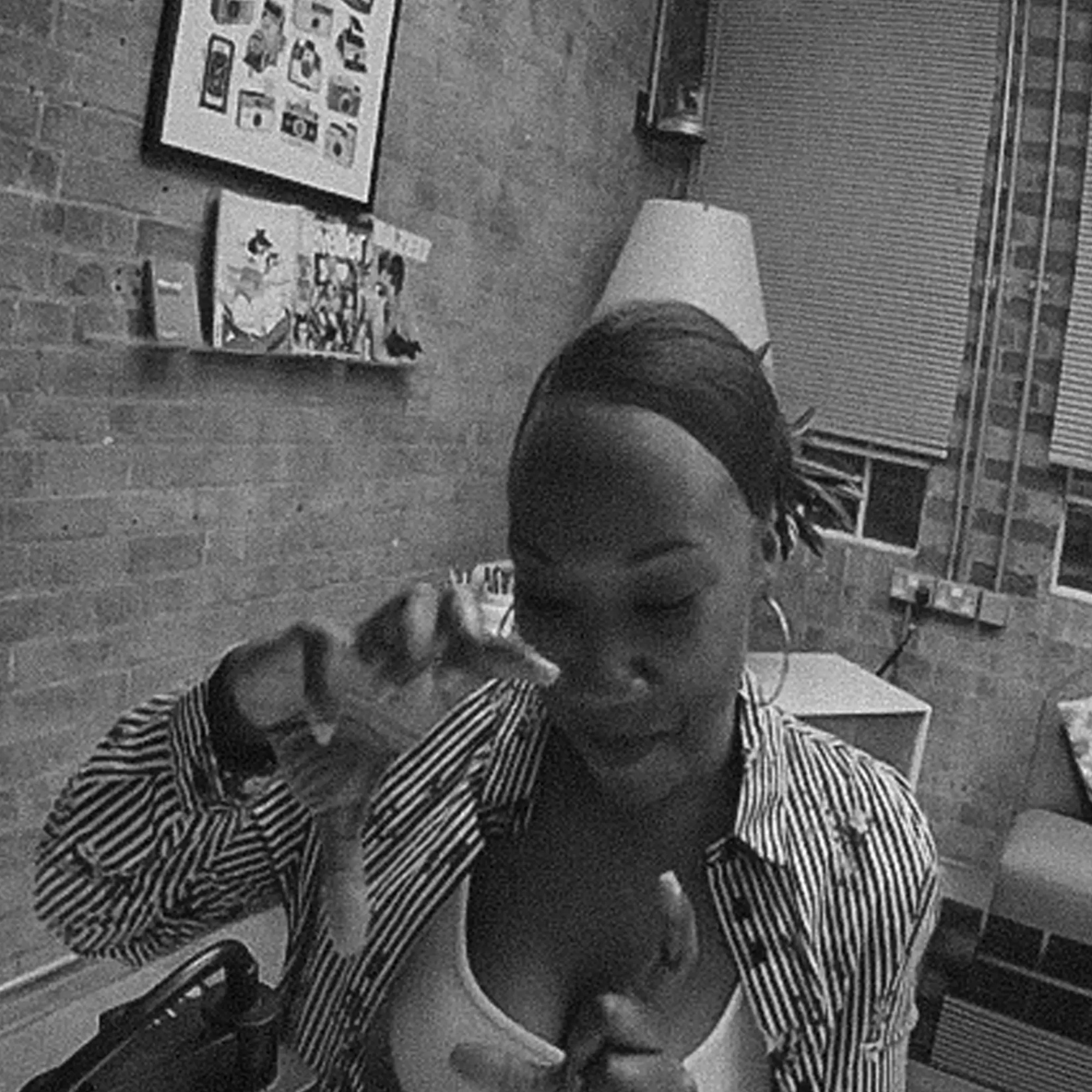
The process centered on two complementary streams: structured research events with commercial partners and ongoing user testing sessions. This dual methodology allowed us to collect both qualitative feedback from direct audience interactions and quantitative data from MVP usage patterns. By analysing these complementary data sets, we could validate our hypothesis and identify emerging audience needs with greater precision.
This evidence-based approach proved instrumental in aligning our development cycles with actual user requirements, ensuring that each iteration of the product delivered meaningful improvements. Rather than relying on assumptions, we leveraged real audience data and behavior patterns to inform our development roadmap, resulting in a more targeted and effective release.
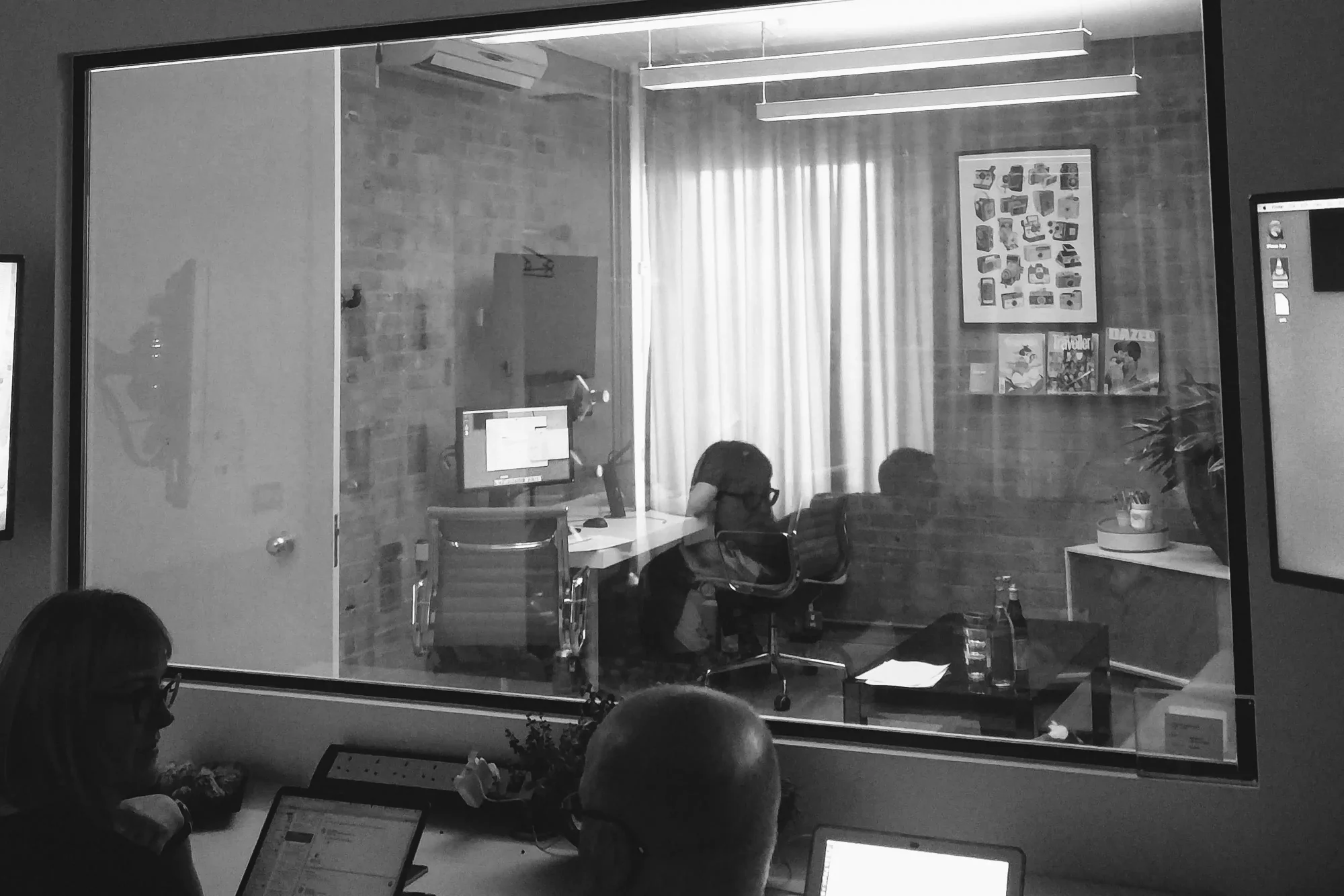
The comprehensive research process revealed critical user needs that shaped our development approach and go-to-market strategy.
Story creation opportunities arise spontaneously. The platform needed to support an intuitive workflow where users could begin stories and return to them effortlessly, accommodating the unpredictable nature of creative inspiration.
While GoFilm’s early adopters showed preference for traditional widescreen formatting, broader user testing revealed a clear demand for vertical orientation. This insight highlighted the need to balance professional aesthetics with practical usability.
Users expressed a strong desire for spontaneous creation, emphasising the importance of an accessible inspiration library. This feature became essential for reducing creative barriers and encouraging consistent platform engagement.
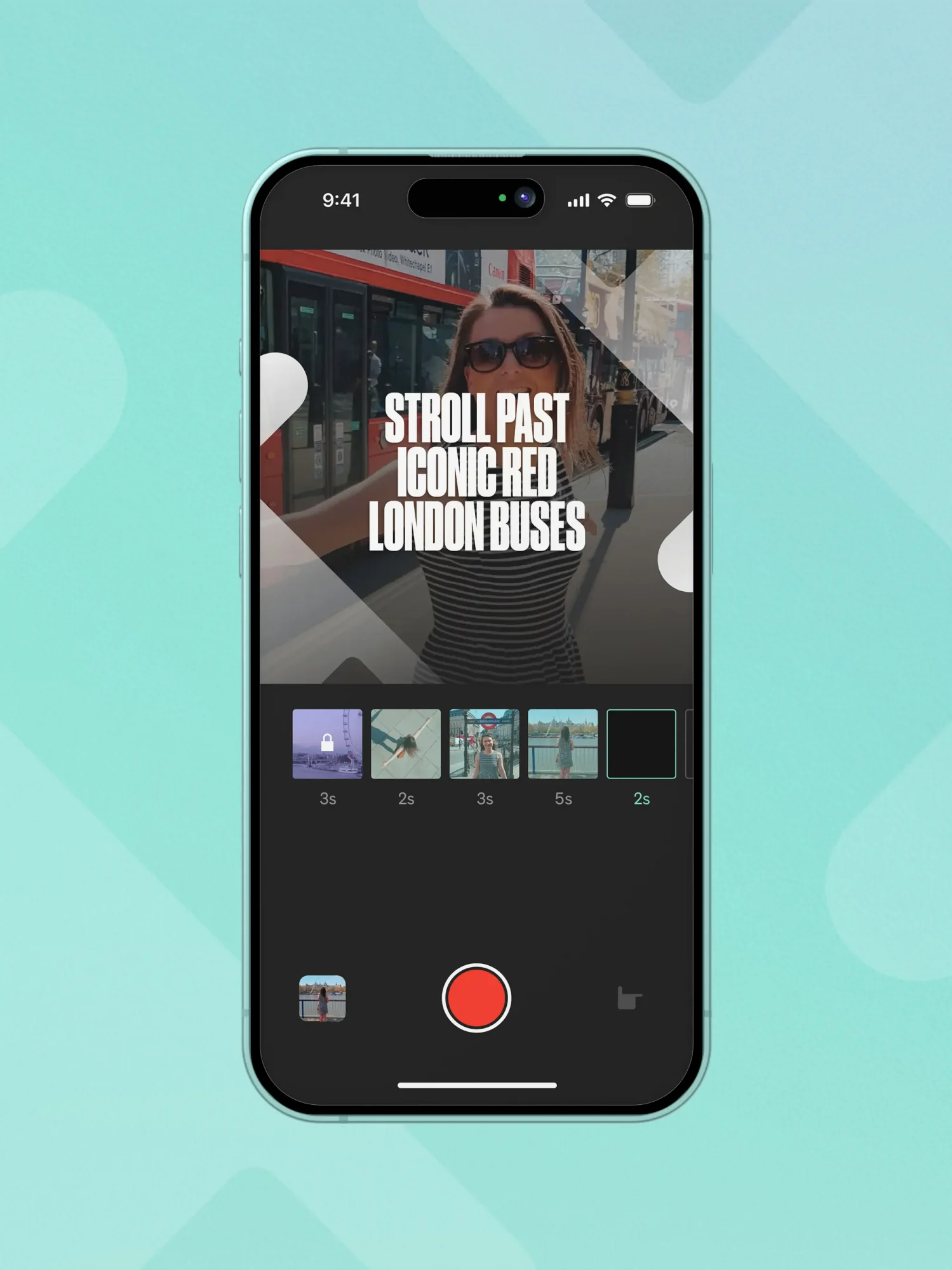
Time investment emerged as a crucial consideration for users. Implementing clear progress indicators became a priority, allowing users to make informed decisions about their creative commitment and maintain momentum throughout the storytelling process.
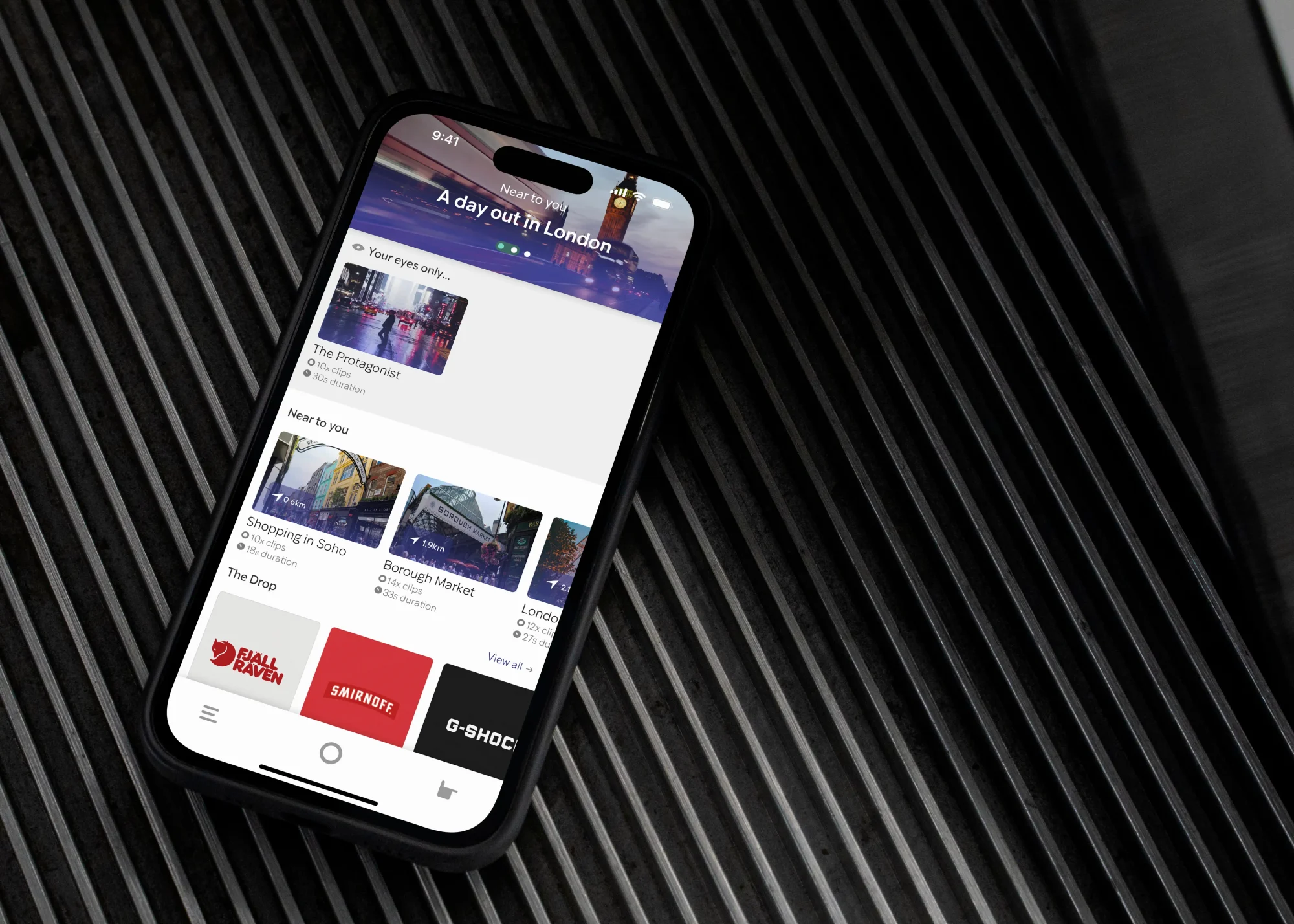
The path to market was driven by a strategic alignment between audience needs and commercial opportunities. GoFilm identified core audiences through existing commercial partnerships. This targeted approach ensured the platform would resonate with its intended audiences from launch.
Development proceeded through three carefully structured iterations, each informed by comprehensive testing and audience feedback. This iterative approach allowed for rapid validation of research findings while maintaining focus on commercial viability.
This strategic approach to development, design and testing enabled GoFilm to maintain momentum toward market readiness while continuously validating assumptions and refining the product based on real-world feedback.
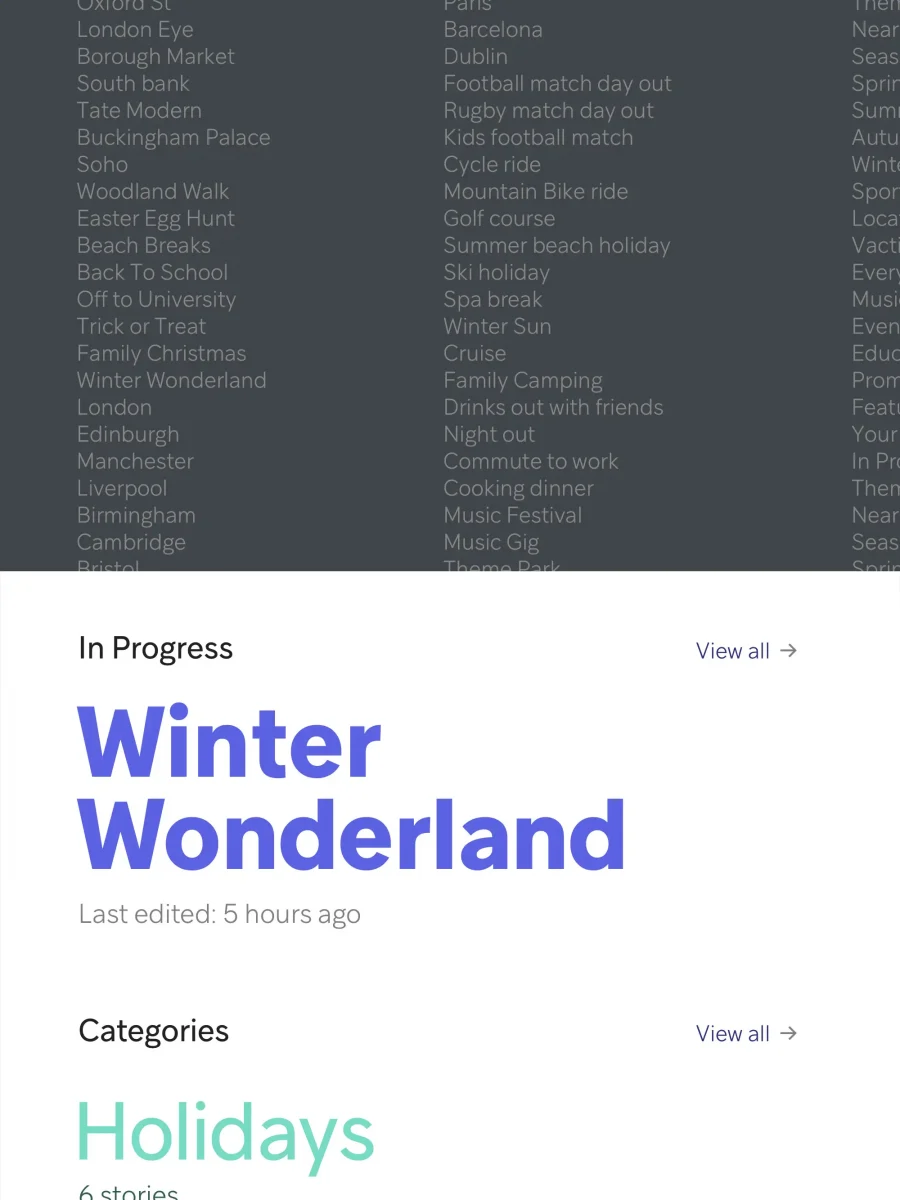
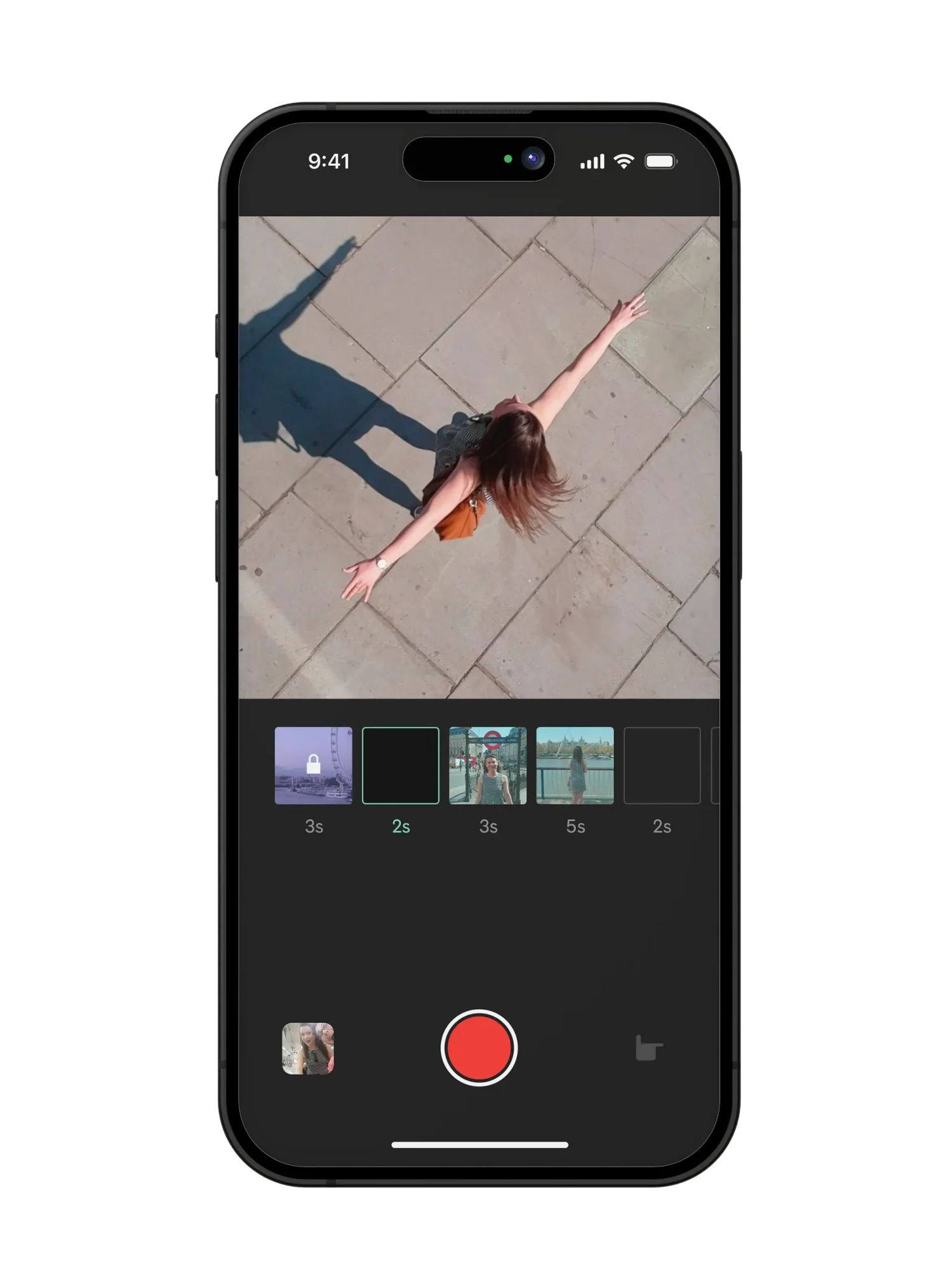
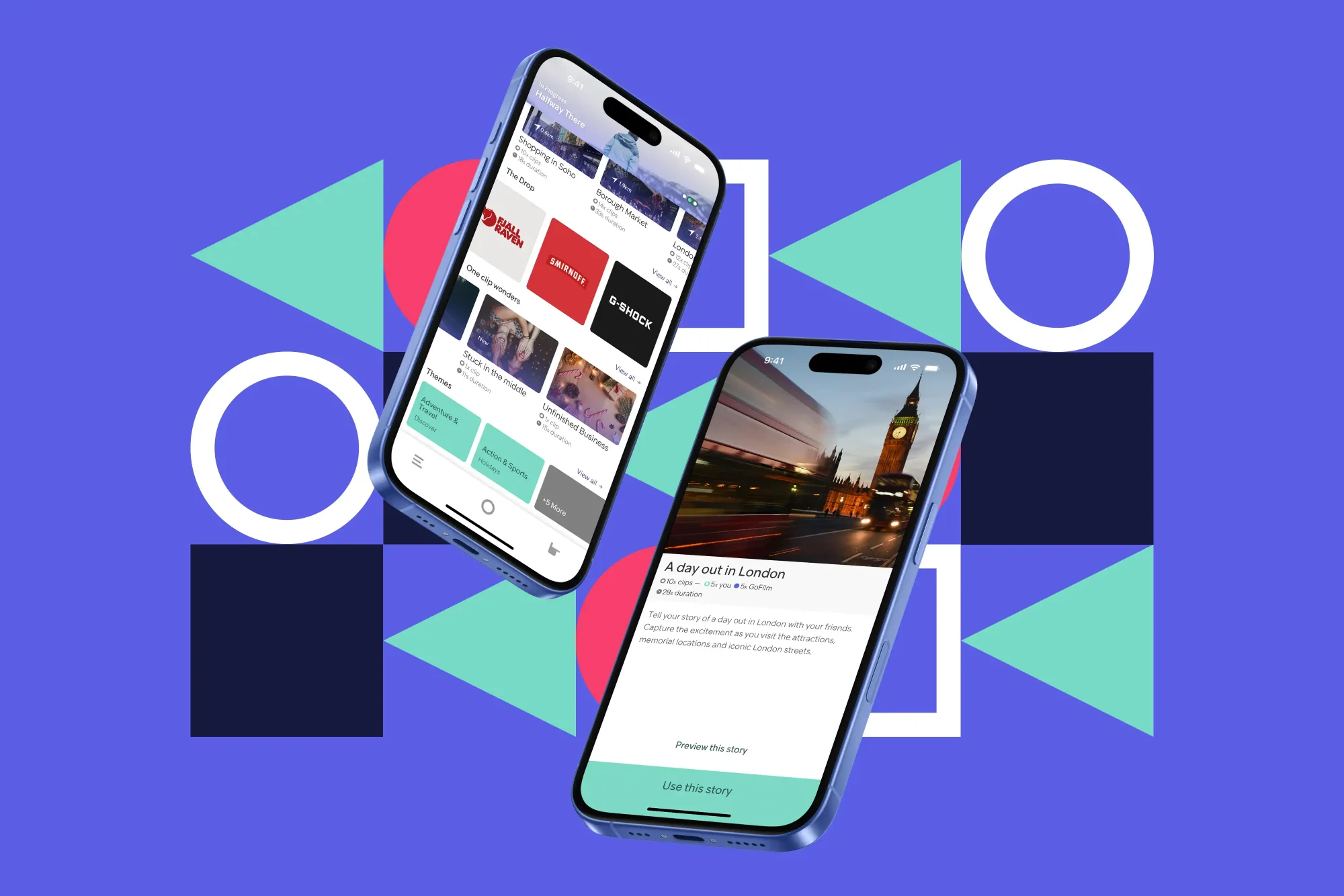
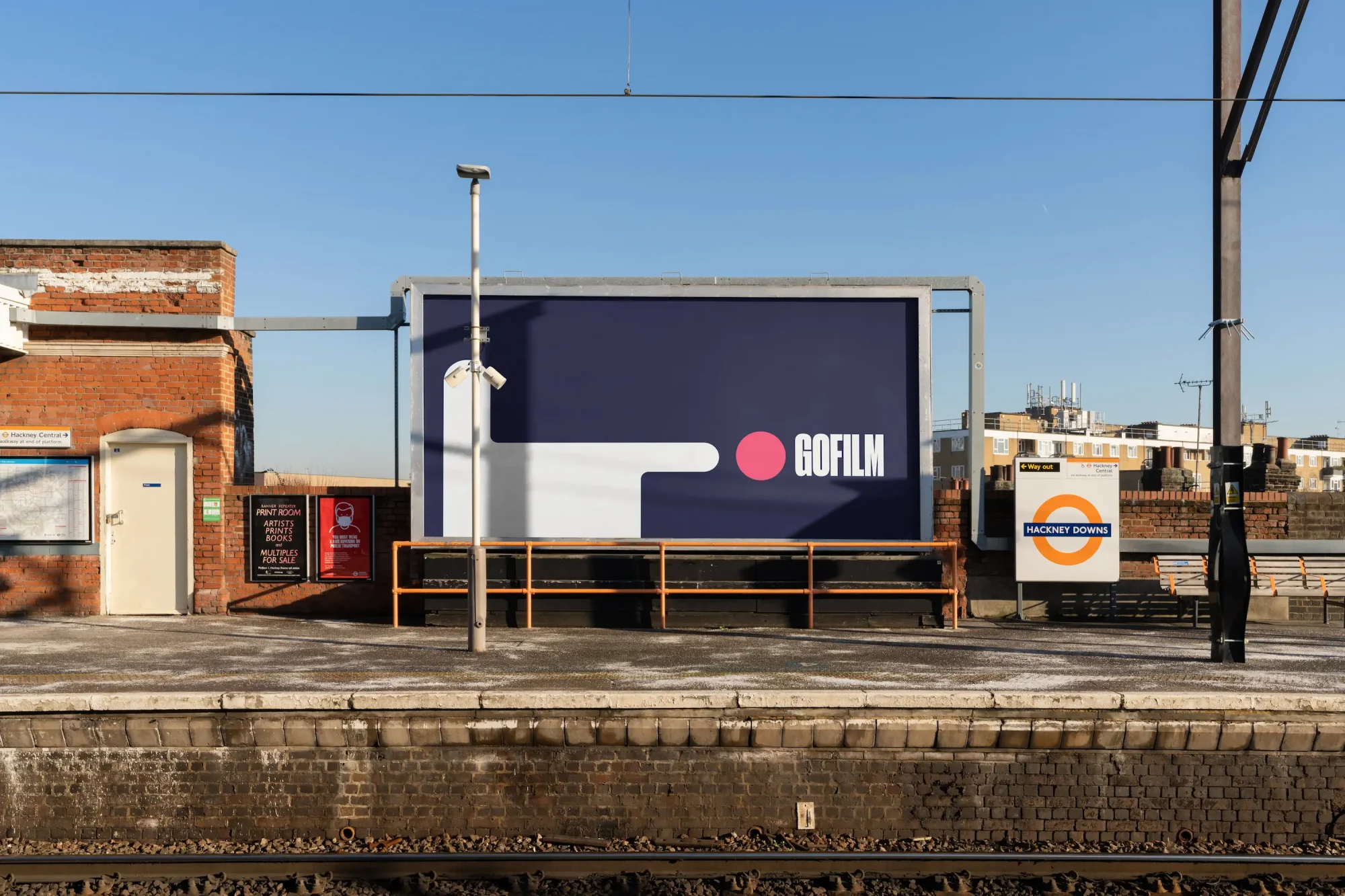
From concept to interface, witness the evolution of GoFilm’s storytelling platform. This visual journey showcases key touchpoints in the user experience, demonstrating how design decisions transformed complex video editing into an intuitive creative process.


Educational content emerged as a compelling differentiator during testing. Participants consistently highlighted the value of contextual guidance, insightful filmmaking tips, and practical how-to instructions within their creative workflow. This strategic integration of learning resources alongside creative tools became a key unique selling proposition, empowering users to enhance their storytelling capabilities while crafting their content.
The strategic research and design approach yielded significant insights that transformed GoFilm’s user experience. Through multiple rounds of testing and refinement, we successfully:
The go-to-market strategy revealed crucial insights about audience alignment and product positioning. While GoFilm originally envisioned creating lasting, high-quality content for preservation, our research uncovered a significant market preference for quick, shareable content suited for social media consumption.
This insight led to a pivotal shift in our onboarding approach. Rather than immediately introducing users to complex storytelling tools, we redesigned the experience to begin with quick-win content creation moments that delivered immediate satisfaction while gradually introducing more sophisticated features.
The learnings from GoFilm have provided valuable insights for future content creation platforms. The tension between quality and convenience continues to shape the digital storytelling landscape, my work on GoFilm demonstrated how research-driven design can align product development with actual user behaviours, even when those behaviours challenge our initial assumptions about how users want to tell their stories.